
Australian Infrastructure and Transport Statistics—Yearbook 2025
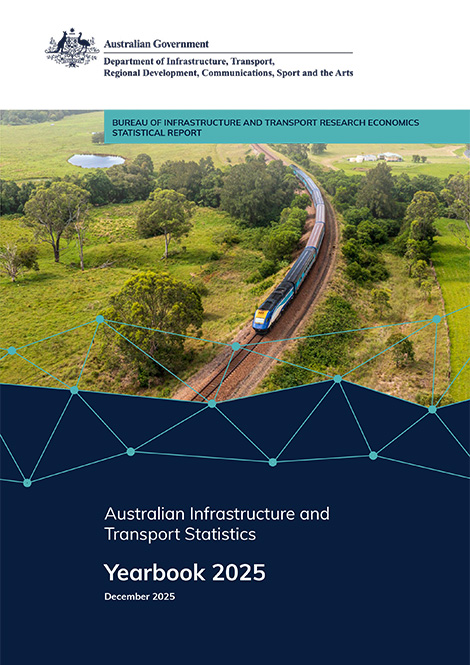
The aim of the Australian Infrastructure Statistics and Transport Yearbook is to provide a single, comprehensive annual source of infrastructure statistics for use by policymakers, industry, transport analysts and the wider Australian community. You can download the PDF or data files here:
- Australian Infrastructure and Transport Statistics—Yearbook 2025 (PDF 9.3 MB)
- Australian Infrastructure and Transport Statistics—Yearbook 2025 data (ZIP: 1.4 MB)
For a summary of each chapter select from the list below:



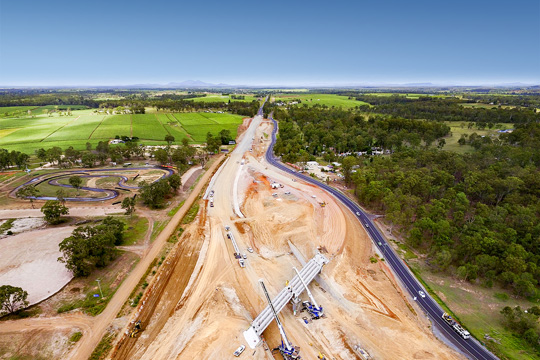


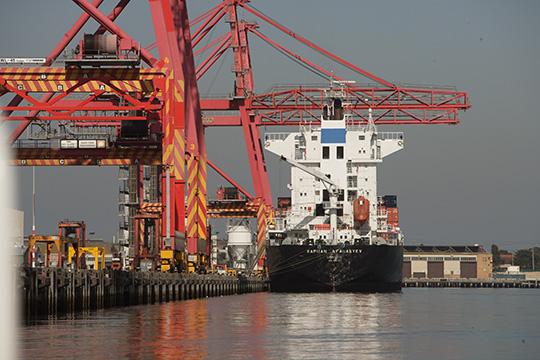



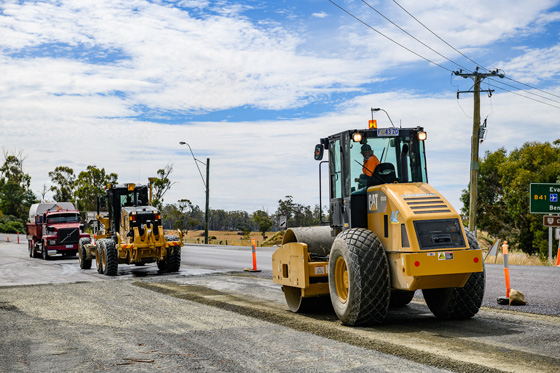
Australian Infrastructure and Transport Statistics—Yearbook 2024
The aim of the Australian Infrastructure Statistics and Transport Yearbook is to provide a single, comprehensive annual source of infrastructure statistics for use by policymakers, industry, transport analysts and the wider Australian community. You can download the PDF or data files:
- Australian Infrastructure and Transport Statistics—Yearbook 2024 (PDF 9.2 MB)
- Australian Infrastructure and Transport Statistics—Yearbook 2024 data (ZIP: 2 MB)
For a summary of each chapter select from the list below:
Australian Infrastructure and Transport Statistics—Yearbook 2023
The aim of the Australian Infrastructure Statistics and Transport Yearbook is to provide a single, comprehensive annual source of infrastructure statistics for use by policymakers, industry leaders, transport analysts and the wider Australian community. Download the PDF or select a chapter below. Data files for each chapter are at the bottom of the page.
Australian Infrastructure and Transport Statistics—Yearbook 2023 - PDF (7.23 MB)
Australian Infrastructure and Transport Statistics—Yearbook 2022
The aim of the Australian Infrastructure Statistics and Transport Yearbook is to provide a single, comprehensive annual source of infrastructure statistics for use by policymakers, industry leaders, transport analysts and the wider Australian community.
The publication is primarily a source of long-term, aggregate time series infrastructure statistics. Most statistics included in the publication are currently collected by BITRE or other Australian, state or territory government agencies.
Australian Infrastructure and Transport Statistics—Yearbook 2021
The aim of the Australian Infrastructure Statistics and Transport Yearbook is to provide a single, comprehensive annual source of infrastructure statistics for use by policymakers, industry leaders, transport analysts and the wider Australian community.
The publication is primarily a source of long-term, aggregate time series infrastructure statistics. Most statistics included in the publication are currently collected by BITRE or other Australian, state or territory government agencies.
The Yearbook has 11 chapters:
Australian Infrastructure Statistics—Yearbook 2020
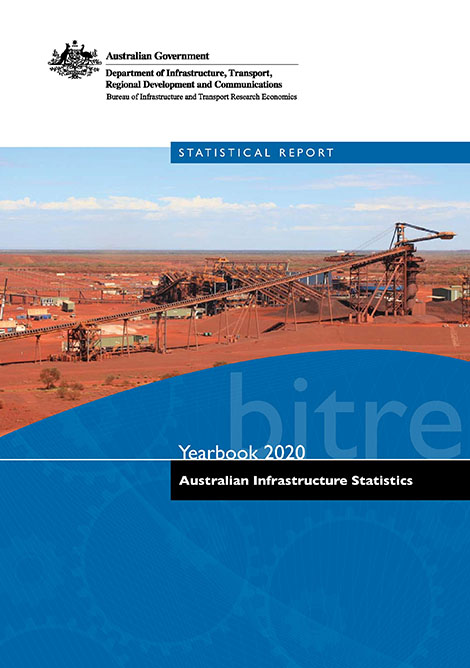
The aim of the Australian Infrastructure Statistics Yearbook is to provide a single, comprehensive annual source of infrastructure statistics for use by policymakers, industry leaders, transport analysts and the wider Australian community.
The publication is primarily a source of long-term, aggregate time series infrastructure statistics. Most statistics included in the publication are currently collected by BITRE or other Australian, state or territory government agencies.
The Yearbook is presented in 5 parts:
The yearbook is accompanied by the Key Australian Infrastructure Statistics Booklet which is a summary of statistics from the yearbook.
Australian Infrastructure Statistics—Yearbook 2019
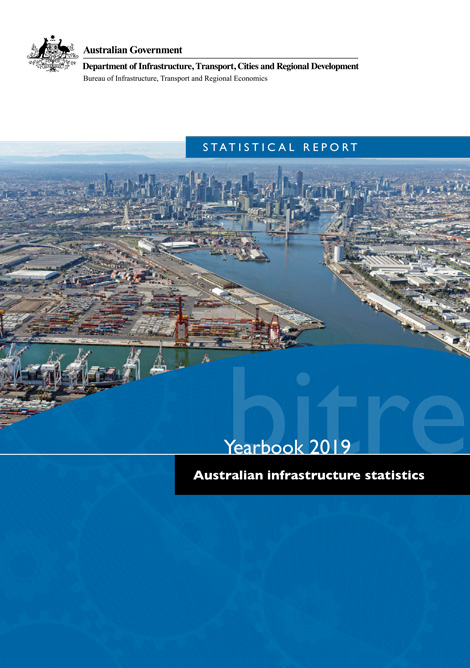
The Australian infrastructure statistics yearbook provides a comprehensive evidence base to examine long-term and emerging trends as well as inform policy development and regulatory reform in the transport, energy, water and communications sectors. It is the only comprehensive source of time series statistics for Australia's major areas of economic infrastructure. The yearbook is accompanied by the Key Australian Infrastructure Statistics Booklet which is a summary of statistics from the yearbook.
Australian Infrastructure Statistics—Yearbook 2018
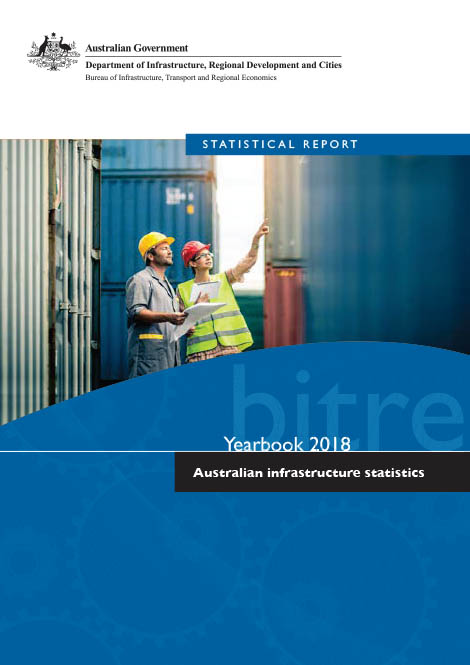
The Australian infrastructure statistics yearbook provides a comprehensive evidence base to examine long-term and emerging trends as well as inform policy development and regulatory reform in the transport, energy, water and communications sectors. It is the only comprehensive source of time series statistics for Australia's major areas of economic infrastructure. The yearbook is accompanied by the Key Australian Infrastructure Statistics Booklet which is a summary of statistics from the yearbook.
To complement the Australian Infrastructure Statistics Yearbook, BITRE has developed an Infrastructure Construction Dashboard. The Infrastructure Construction Dashboard presents quarterly updates on transport, communications, energy and water infrastructure construction, based on the ABS Engineering Construction Activity series.
- Yearbook 2018–Australian Infrastructure Statistics
- Key Australian Infrastructure Statistics 2018
- Australian Infrastructure Statistics Yearbook 2018 Part I–Infrastructure and the Economy

- Australian Infrastructure Statistics Yearbook 2018 Part T–Transport
- Australian Infrastructure Statistics Yearbook 2018 Part E–Energy
- Australian Infrastructure Statistics Yearbook 2018 Part C–Communication
- Australian Infrastructure Statistics Yearbook 2018 Part W–Water
Australian Infrastructure Statistics—Yearbook 2017
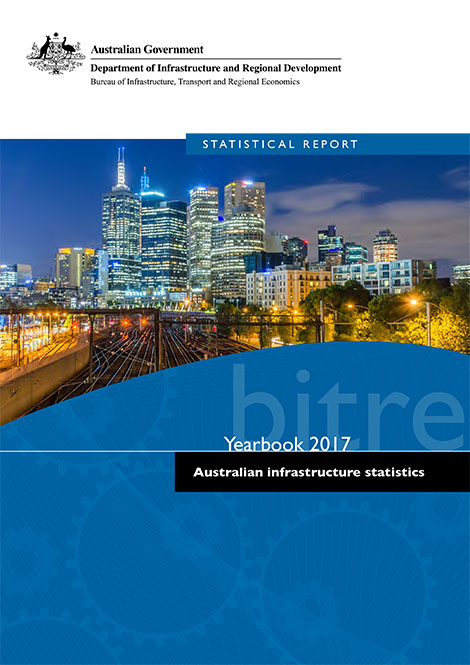
The Australian infrastructure statistics yearbook provides a comprehensive evidence base to examine long-term and emerging trends as well as inform policy development and regulatory reform in the transport, energy, water and communications sectors. It is the only comprehensive source of time series statistics for Australia's major areas of economic infrastructure. The yearbook is accompanied by the Key Australian Infrastructure Statistics Booklet which is a summary of statistics from the yearbook.
- Yearbook 2017–Australian Infrastructure Statistics
- Key Australian Infrastructure Statistics 2017
- Australian Infrastructure Statistics Yearbook 2017 Part I–Infrastructure and the Economy
- Australian Infrastructure Statistics Yearbook 2017 Part T–Transport
- Australian Infrastructure Statistics Yearbook 2017 Part E–Energy
- Australian Infrastructure Statistics Yearbook 2017 Part C–Communication
- Australian Infrastructure Statistics Yearbook 2017 Part W–Water
Australian Infrastructure Statistics—Yearbook 2016
The Australian infrastructure statistics yearbook provides a comprehensive evidence base to examine long-term and emerging trends as well as inform policy development and regulatory reform in the transport, energy, water and communications sectors. It is the only comprehensive source of time series statistics for Australia's major areas of economic infrastructure. The yearbook is accompanied by the Key Australian Infrastructure Statistics Booklet which is a summary of statistics from the yearbook.
- Yearbook 2016–Australian Infrastructure Statistics
- Key Australian Infrastructure Statistics 2016
- Australian Infrastructure Statistics
Yearbook 2016
Part I–Infrastructure and the Economy
- Australian Infrastructure Statistics
Yearbook 2016
Part T–Transport
- Australian Infrastructure Statistics
Yearbook 2016
Part E–Energy
- Australian Infrastructure Statistics
Yearbook 2016
Part C–Communication
- Australian Infrastructure Statistics
Yearbook 2016
Part W–Water