
Australian Infrastructure and Transport Statistics—Yearbook 2025
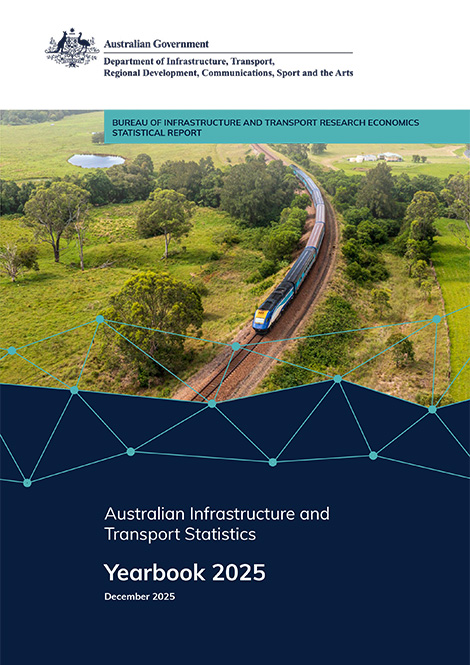
The aim of the Australian Infrastructure Statistics and Transport Yearbook is to provide a single, comprehensive annual source of infrastructure statistics for use by policymakers, industry, transport analysts and the wider Australian community. You can download the PDF or data files here:
- Australian Infrastructure and Transport Statistics—Yearbook 2025 (PDF 9.3 MB)
- Australian Infrastructure and Transport Statistics—Yearbook 2025 data (ZIP: 1.4 MB)
For a summary of each chapter select from the list below:

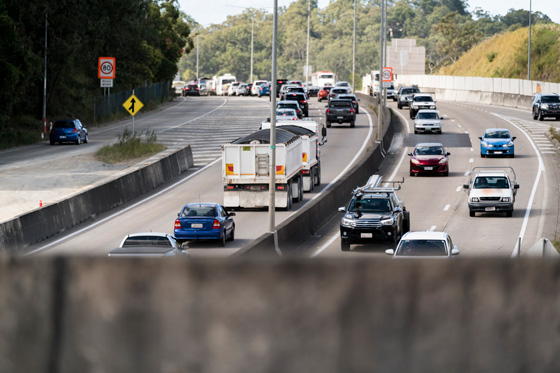



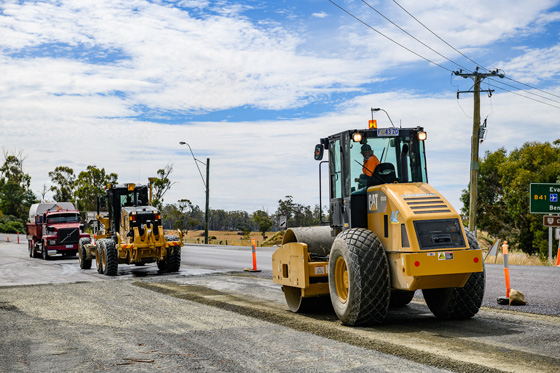
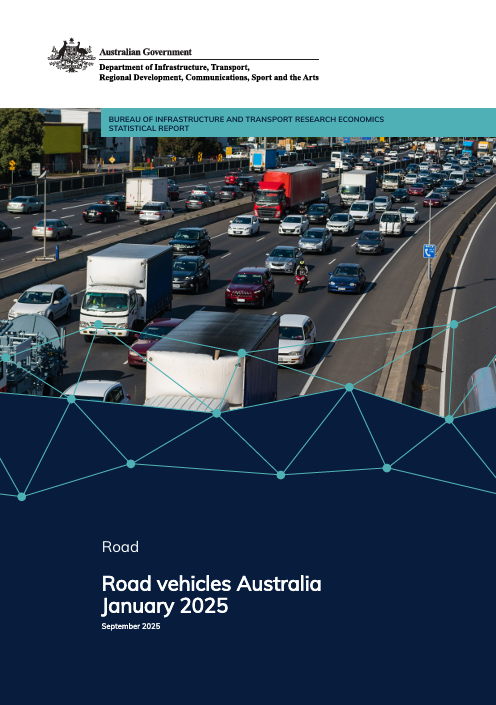
This release provides statistics relating to the number of vehicles registered for road use in Australia on 31 January 2025. The statistics encompass all vehicles that were registered with an Australian state or territory motor vehicle registry for unrestricted use on public roads, as reported by jurisdictions to the National Exchange of Vehicle and Driver Information System (NEVDIS). This is the fourth annual release of Road Vehicles Australia and replaces the ABS Motor Vehicle Census, discontinued in 2021. Relevant statistics are available on data.gov.au.
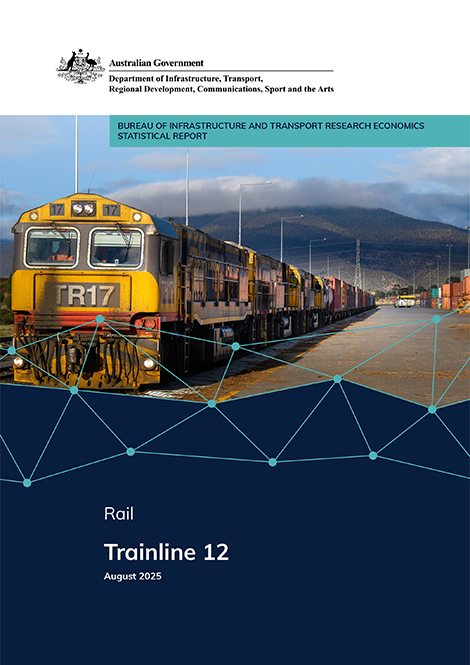
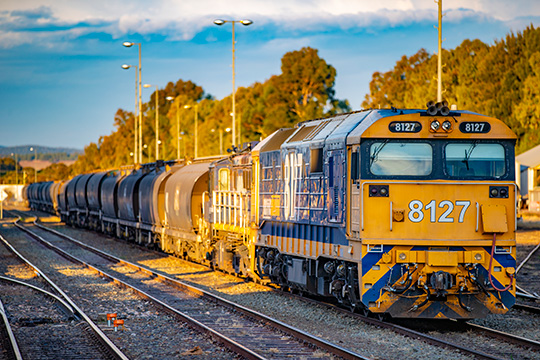
This compendium provides insights, analysis, and an understanding of the railway industry. Australia's railways are evolving due to changes outside and within the industry. These changes include logistics, commodity flows, technology, urban patronage, and regional passenger services. The publication presents an overview and data on railway transport tasks performed, characteristics of the railways and train operators' rolling stock that runs and aspects of railway performance including safety, environment and reliability.
Trainline 12 gives an overview of freight, urban and non-urban passenger rail. The report analyses traffic levels, the provision of infrastructure and rolling stock, and railway performance. It is the twelfth in the publication series.
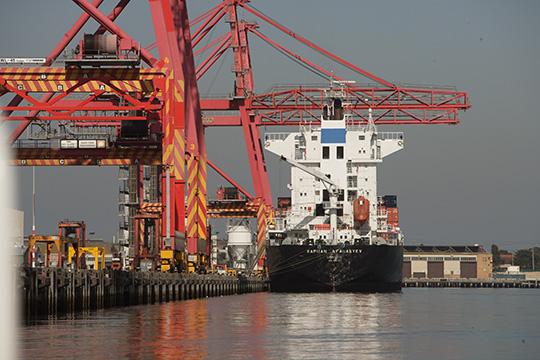
Australian sea freight 2023–24
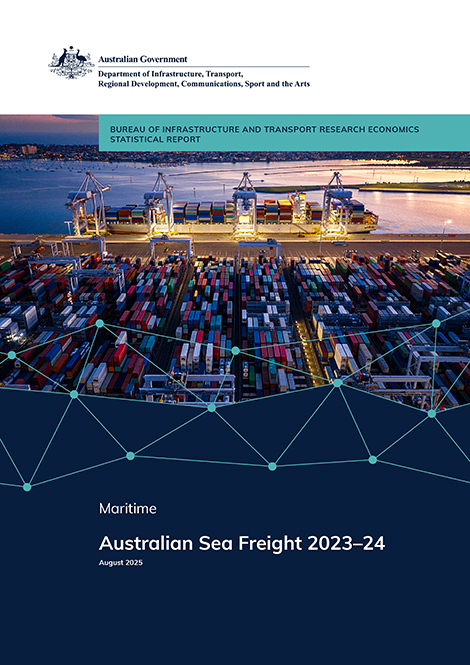
This is the latest in a series of BITRE reports that provide information on Australian sea freight movements, vessel activity, the use of coastal trading licences and the size and composition of the Australian trading fleet.
The latest import and export data has been made available in machine readable form on the National Freight Data catalogue.
Australian Infrastructure and Transport Statistics—Yearbook 2024
The aim of the Australian Infrastructure Statistics and Transport Yearbook is to provide a single, comprehensive annual source of infrastructure statistics for use by policymakers, industry, transport analysts and the wider Australian community. You can download the PDF or data files:
- Australian Infrastructure and Transport Statistics—Yearbook 2024 (PDF 9.2 MB)
- Australian Infrastructure and Transport Statistics—Yearbook 2024 data (ZIP: 2 MB)
For a summary of each chapter select from the list below:
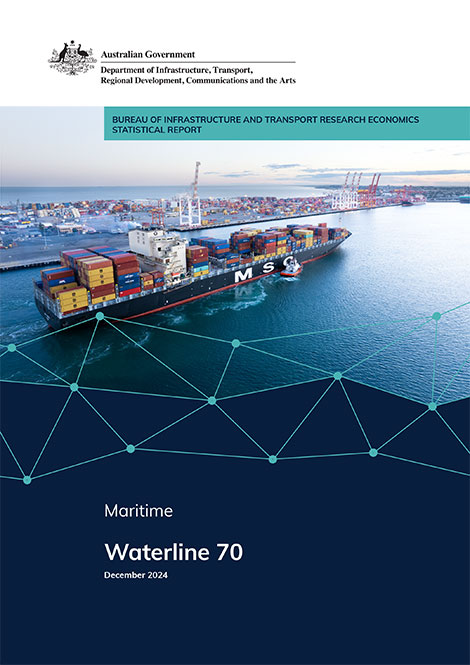
Waterline reports on trends in throughput, container handling productivity on the waterfront and landside of ports in Australia and the cost of importing and exporting containers via 5 major container ports. It covers the loading and unloading of container ships and the transport of containers from container terminals.
This issue covers port terminal activity up to the June quarter 2023.
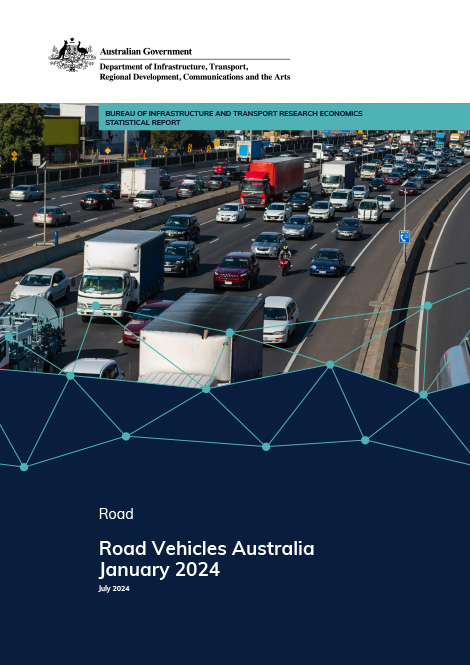
This release provides statistics relating to the number of vehicles registered for road use in Australia on 31 January 2024. The statistics encompass all vehicles that were registered with an Australian state or territory motor vehicle registry for unrestricted use on public roads, and reported by jurisdictions to the National Exchange of Vehicle and Driver Information System (NEVDIS). This is the third annual release of Road Vehicles Australia, which replaces the ABS Motor Vehicle Census, discontinued in 2021. More statistics are available on the BITRE website and data.gov.au.
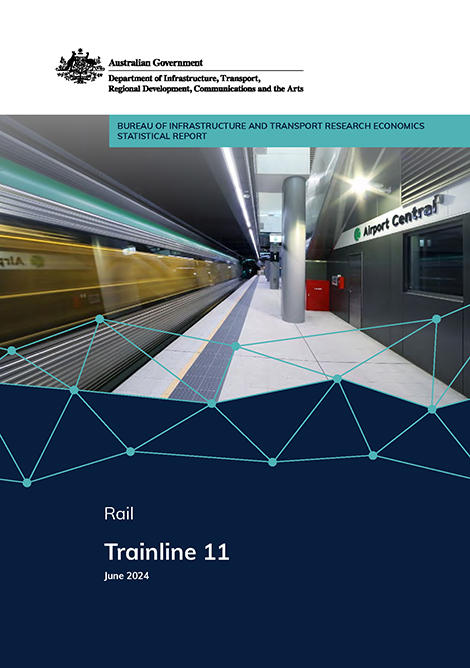
Trainline is a compendium of Australia's railways, providing insights, analysis and an understanding of the railway industry. Australia's railways are evolving, with changes within and outside the industry. These changes include logistics, commodity flows, technology, urban patronage and regional passenger services. The publication presents an overview and data on railway transport tasks performed; characteristics of the railways and train operators' rolling stock that runs; and aspects of railway performance including safety, environment and reliability.
Trainline 11 gives an overview of freight, urban and non-urban passenger rail. The report analyses traffic levels, the provision of infrastructure and rolling stock, and railway performance. It is the eleventh in the publication series.
First Nations Peoples road deaths
The excel tables present annual road deaths, population and road death rates per 100,000 population from 2012 to 2021 by state and territory (where data is available), by Indigenous status. The excel tables include road deaths and road death rates per 100,000 population for First Nations Peoples by age group, sex, road user, remoteness area and vehicle type. Additional tables for First Nations Peoples population are available by state and territory and age group and sex.
Road vehicle entry and recall statistics
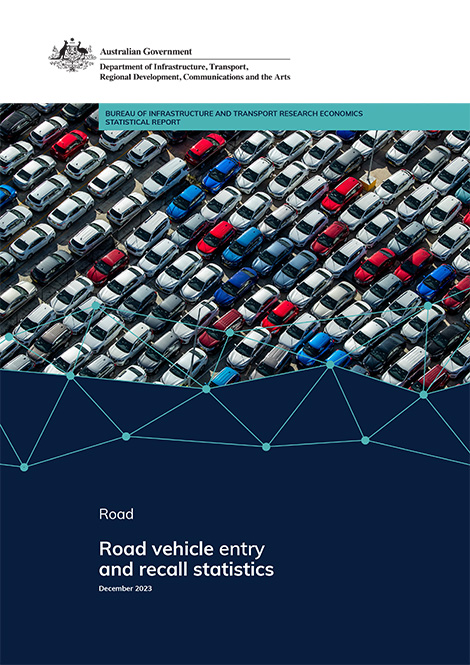
Monthly statistics on road vehicles being provided to the Australian market, road vehicle recall notices and other road vehicle-related regulatory activities governed under the Road Vehicle Standards Act 2018 (RVSA).