
South East Queensland research project
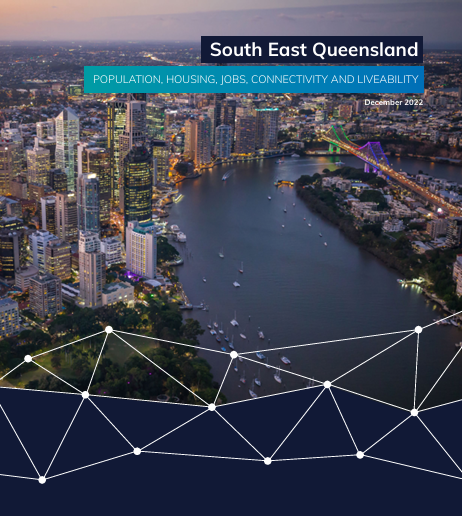
BCARR has undertaken a South East Queensland (SEQ) research project to provide an evidence base on the spatial distribution of population growth, jobs, connectivity and liveability of SEQ. This evidence can be used to monitor how population, jobs, connectivity and liveability change over time and respond to investment. The report aims to support the department's policy and project delivery. The final report is available below.
The role of socio-demographic and spatial characteristics in work from home in Australia

We conducted a Work from Home (WfH) research project to provide evidence of how social, demographic and spatial characteristics influence WfH capability and uptake in Australian cities. The study also explores the link between WfH and relocation and investigates post-pandemic prospects for WfH in Australia. This new evidence can help improve understanding of the key drivers of WfH and the ongoing role that WfH will likely play in influencing urban and regional development outcomes in Australia.
Population change and internal migration during the COVID-19 pandemic
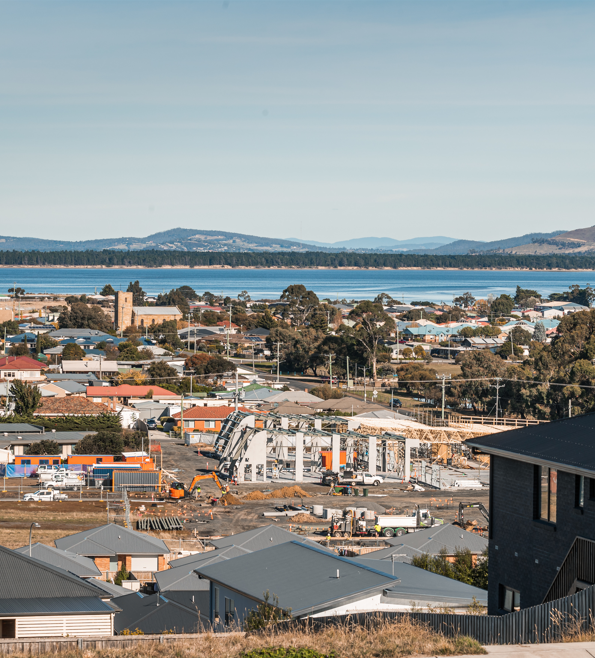
Understanding spatial patterns of population change is vital in planning for services and infrastructure and in managing the pressures created as local populations grow and decline. A large shock to the Australian economy and society, such as the COVID-19 pandemic, has the potential to create new pressure for settlement pattern change. This report investigates regional population change and internal migration flows during the peak period of the pandemic (2020-21), contrasting with a 5-year period representing the medium term, and the population change for 2021-22.
The report uses the BCARR migration geography, which separates regions by characteristics including city status and whether coastal, inland or remote.
The future of Australian cities and regions in a post-pandemic world
This research was conducted by the University of South Australia (UniSA) between March 2022 and June 2023 and was co-funded by the Department of Infrastructure, Transport, Regional Development, Communications and the Arts in partnership with the iMOVE Co-operative Research Centre.
The study addresses the following questions:
- What are the primary determinants of firm and residential location patterns across Australia?
- What are the drivers of or barriers to attracting and retaining businesses and households to regional cities, and how do they differ based on characteristics of businesses, households and regions?
- What are the possible long-term impacts of COVID-19 on firm and residential location decisions across metropolitan and regional cities?
- How are these impacts likely to influence resulting spatial patterns of employment activity and residential settlement within and across these cities?
To answer these questions UniSA undertook nationwide surveys of businesses, landlords and residents and conducted interviews and focus groups with residents across different city sizes and types, real estate and property developers, commercial landlords, state and local government officials, business owners and senior executives.
This study provides important insights for policymakers, businesses, and communities on current and possible future patterns of employment activity and residential settlement.
You can read the report Long-term pandemic impact on business and residential location to find out more.
Experimental Gross Regional Product estimates

Gross Regional Product (GRP) is an estimate of each region's unique contribution to the national economy. While Australian regional economies are interlinked, GRP can be used as an indicator of local economic activity.
BCARR has produced experimental estimates of GRP for 2015–16 and 2020–21. Estimates are produced using the ABS Statistical Areas Level 4 which broadly represents local labour markets. Information is also provided regarding GRP estimates for Northern Australia, which spans Queensland, the Northern Territory and Western Australia.
These estimates are indicative of the economic activity in a region and should be used with caution. See the fact sheet below for the conceptual and data limitations which may affect the estimates. Data can be found in the Excel file below or through our Experimental GRP estimates interactive map.
Creative skills for the future economy
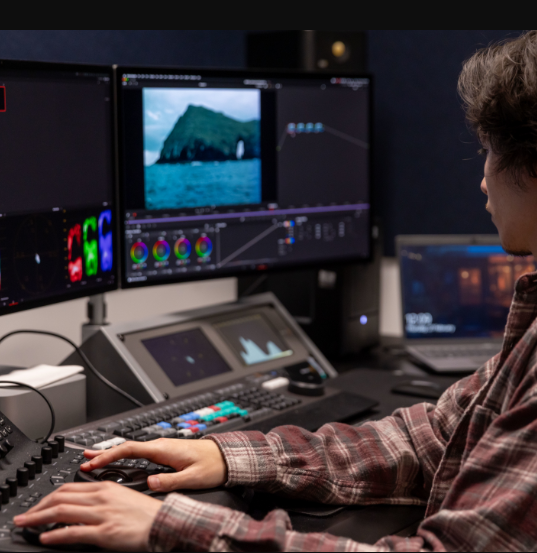
The research paper Creative skills for the future economy analyses the skills and qualifications of people working in creative fields and how these may be used in the future.
Cultural and creative activity historical reports
Below are additional publications related to cultural and creative activity:
Economic assessment of the Location Incentive on Australia's screen sector
This report assesses the current and future economic benefits of one aspect of the Australian Screen Production Incentive, the Location Incentive. The report provides an early indication on the impact of the program on the Australian screen industry and economy more broadly.
The analysis finds that the Location Incentive is projected to generate over $4.3 billion of production expenditure in the Australian economy by international film and television productions through to 2026–27.
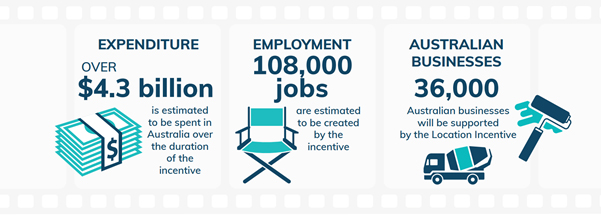
The total program funding amount of $540 million will help Australia remain competitive in attracting international film and television productions to film here. The total number of screen productions attracted to Australia by the incentive is estimated to range from 48 to 55 by 2027.
There are also expected benefits from filming in regional areas, an expansion of Australia's screen industry, greater skills development for Australian screen sector workers, as well as regional tourism and cultural impacts.
Demand for broadband
BCARR research informs forecasts of peak bandwidth demand.
The latest research looked at the decade to 2028 and estimates that in 2018, 95% of Australian households had peak bandwidth demand of 24 megabits per second (Mbps) or less, but that this will increase to 56 Mbps by 2028.
For small businesses (with 1 to 19 employees), we estimate that 95% had bandwidth demand of 24 Mbps or less in 2018, which is forecast to rise to 37 Mbps in 2028.
Growth in household bandwidth demand is expected to be driven by video streaming and uptake of higher resolution formats such as 4K and 8K television. Increased adoption of streamed gaming and virtual reality will add to this demand.
Small business bandwidth demand will also be driven by video streaming and other applications such as file transfers and web browsing. Industries that provide guest WiFi, such as education and accommodation, are forecast to have the greatest bandwidth demand among small businesses.
The research also examined household data downloads and found that household data downloads are estimated to increase from 199 gigabytes (GB) per month in 2018, to 767 GB in 2028. This represents an average annual growth rate of 14% over the forecast period, with the increased uptake of higher resolution video streaming being the main driver for this growth.
Broadband productivity

Over the past decade the rollout of the National Broadband Network (NBN), the deployment of extensive 4G and 5G mobile networks and the emergence of Low Earth Orbit (LEO) satellites have increased access to high-speed broadband services right across Australia. The rapid changes in broadband have seen households and firms take up internet services that are faster and of a much higher quality than ever before.
We undertake research projects to examine the economic and productivity benefits from improved broadband in Australia.