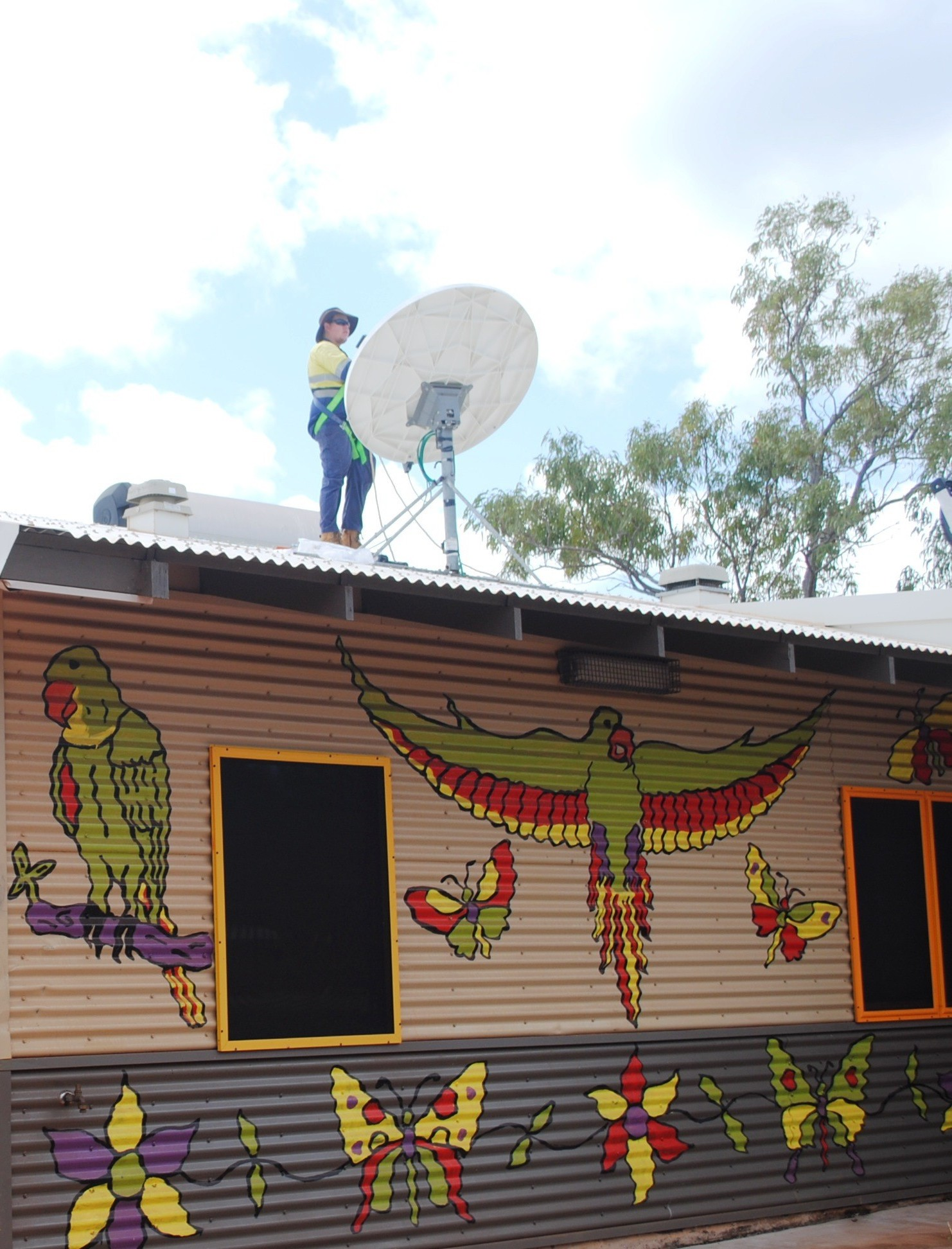
Digital exclusion in Australia
Access to quality and reliable telecommunications services has become a central part of modern life. Digital technologies are essential for everyday living and a primary means of accessing information, employment, markets and key services. For children, it is particularly important as these technologies can support their education, social connectedness and their ability to participate in an increasingly digital economy.
For some Australians, however, their lower level of digital inclusion means that they are less able to enjoy the benefits of being online. This includes First Nations people and communities, older Australians, and low-income households.
The report below is the third in the series on access to telecommunication services and uses HILDA data to gain insights into the socioeconomic characteristics of Australians without access to the internet.
With the continued transition of services and opportunities online, supporting digital inclusion will continue to be a critical part of ensuring all Australians can access those benefits, particularly people living in regional and remote areas.
Revision note (June 2026)
This report has been revised following publication to improve the specification of the econometric models and the clarity of interpretation.
The key changes are:
- Household income is now expressed in logarithmic form in both models to improve consistency and interpretability.
- Interaction terms have been removed from the logistic regression model to simplify the specification.
- The interpretation of marginal effects has been clarified to more accurately reflect model outputs.
- Explanations of hazard rates, odds ratios and Kaplan-Meier survival curves have been revised for greater precision.
These revisions improve the robustness and interpretability of the analysis. The overall findings and policy insights remain materially unchanged.
Other reports in this series:
Report 1 - Use of digital technologies among First Nations children
Report 2 - Australian youth online